
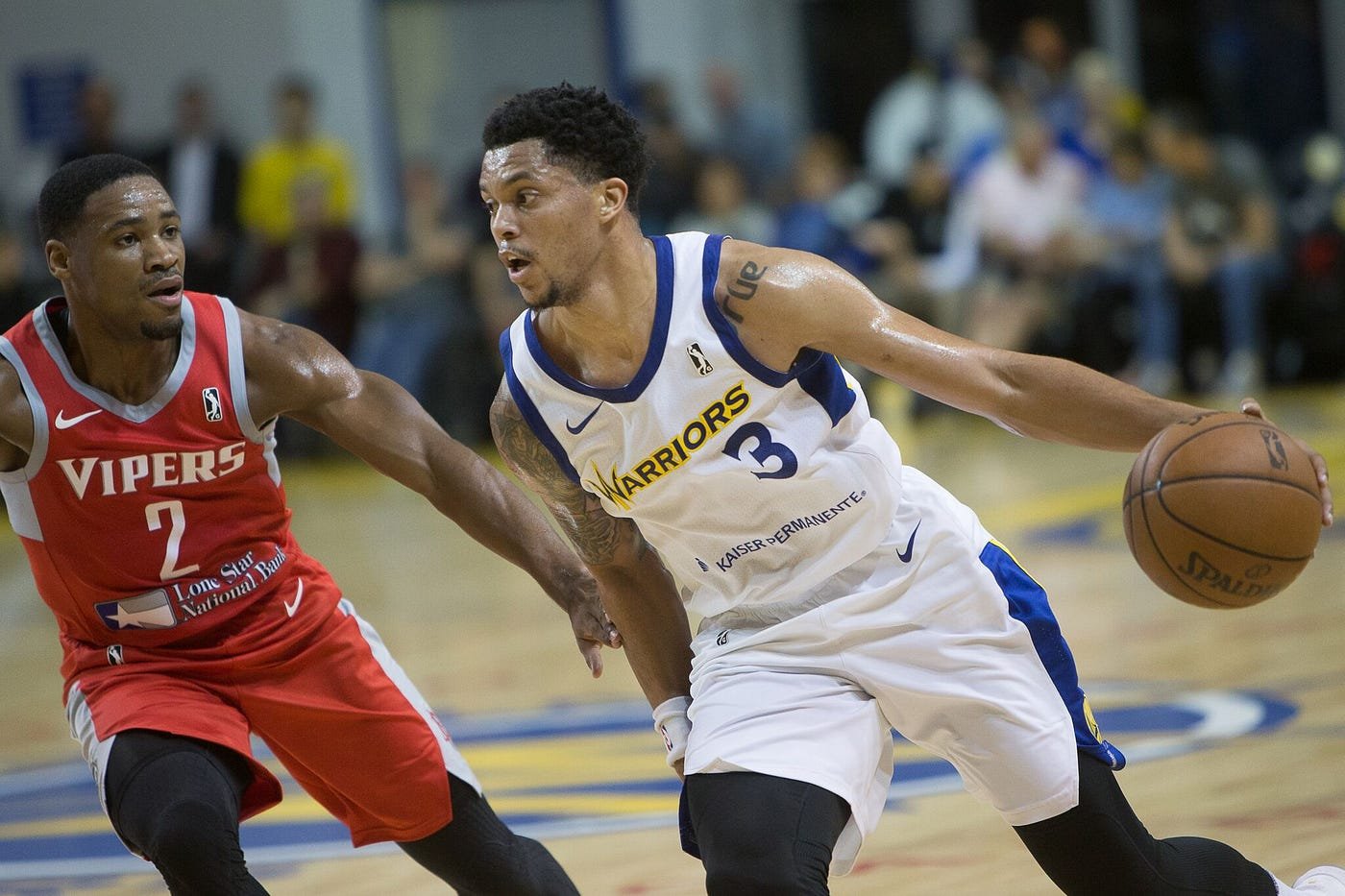
NBA Two-Way Contracts, Not every NBA career begins with a traditional roster spot. For players on the fringe of professional basketball, the two-way contract represents both an opportunity and a constraint — a pathway into the NBA with meaningful restrictions on participation. Understanding two-way contracts is essential for following roster moves, fantasy decisions, and the career journeys of developing players.
What Is an NBA Two-Way Contract?
An NBA two-way contract allows a player to be on both an NBA team’s active roster and its affiliated G League franchise. The player can spend time in both leagues — receiving NBA experience when needed while continuing player development in the G League.
The format was introduced in 2017-18 as part of the NBA-G League partnership, creating a formalized development pathway for players not yet ready for full NBA roster spots but demonstrating enough promise to warrant NBA-adjacent experience.
The Day Restriction: The Most Critical Rule
NBA Two-Way Contracts, Two-way players are limited to 50 days on an NBA roster per full season. Days are counted for every day a player is active on the NBA team’s roster — games, practices, and team travel all count.
Once a player reaches their 50-day limit, the team must either: (1) convert them to a standard NBA contract, (2) waive them, or (3) return them exclusively to the G League for the remainder of the season. This restriction explains why two-way players sometimes seem to vanish from an NBA rotation mid-season without obvious explanation.
Two-Way Salary: What Players Earn
- NBA days: Player earns 1/177th of the veteran minimum salary per day
- G League days: Player earns the G League contract salary (approximately $40,000 for the season)
A player maximizing their 50 NBA days earns approximately $561,000 — significantly below the standard rookie minimum of approximately $1.12 million, but transformative income compared to pure G League compensation. The financial gap between two-way and standard roster status is meaningful for developing players.
Conversion: The Career Milestone
NBA Two-Way Contracts, When an NBA team determines a two-way player merits a permanent roster spot, they can convert the two-way deal to a standard NBA contract — provided they have an open roster spot and cap space. This conversion is the career milestone every two-way player pursues.
Notable players who converted from two-way deals: Alex Caruso (converted with the Lakers, became a key playoff contributor and received significant subsequent contracts), and dozens of others who used the two-way pathway to establish permanent NBA careers.
How Teams Use Two-Way Spots Strategically
- Developmental projects: Young prospects needing game experience before earning standard roster commitments
- Injury depth: Players who can be called up quickly when the main roster experiences unexpected absences
- Specialized veterans: Experienced players with specific complementary skills useful in limited NBA minutes
Each NBA team is permitted two two-way contract players simultaneously. Across 30 teams, this creates 60 league-wide two-way spots at any given time.
Read More: NBA Media Rights 2025-26: Complete Breakdown of the NBA’s $76 Billion Broadcasting Deal
Can Two-Way Players Compete in the Playoffs?
NBA Two-Way Contracts, Players on two-way contracts cannot participate in NBA playoff games. They must be converted to standard contracts before the playoff roster deadline to be eligible for postseason participation. This limitation is one of the most significant restrictions for teams who rely on two-way players during the regular season.
Frequently Asked Questions: Two-Way Contracts
How many days can a two-way player be on the NBA roster?
50 days per season. After reaching this limit, the player must be converted to a standard contract, waived, or returned exclusively to the G League.
What does a two-way player earn?
Approximately $561,000 if they maximize their 50 NBA days — calculated as 50/177 of the veteran minimum. G League days earn the separate G League salary.
Can two-way players play in the playoffs?
No — only players converted to standard NBA contracts before the playoff roster deadline are eligible for postseason participation.


No comment