
Snake Draft Basics
In a standard snake draft, pick order reverses each round. If you pick 3rd in round 1, you pick 8th (in a 10-team league) in round 2, then 3rd again in round 3. This creates distinct strategic situations:
- Picks 1-3: You get a generational talent but wait a long time for your second selection. Strategy: Take the safest elite player available; let the board dictate early value in rounds 2-3.
- Picks 4-7: Often considered the best value zone. You get a tier-two star and then immediately add another good player in the return pick.
- Picks 8-10: The ‘snake advantage’ picks — you get two selections back-to-back at the end of each round. Strategy: Target complementary pairs where both players have high floors.
Positional Scarcity: The Hidden Draft Force
- Point Guards: Steep drop-off after the top 8-10 options. Elite PGs are dramatically more valuable than the 15th PG off the board — prioritize early.
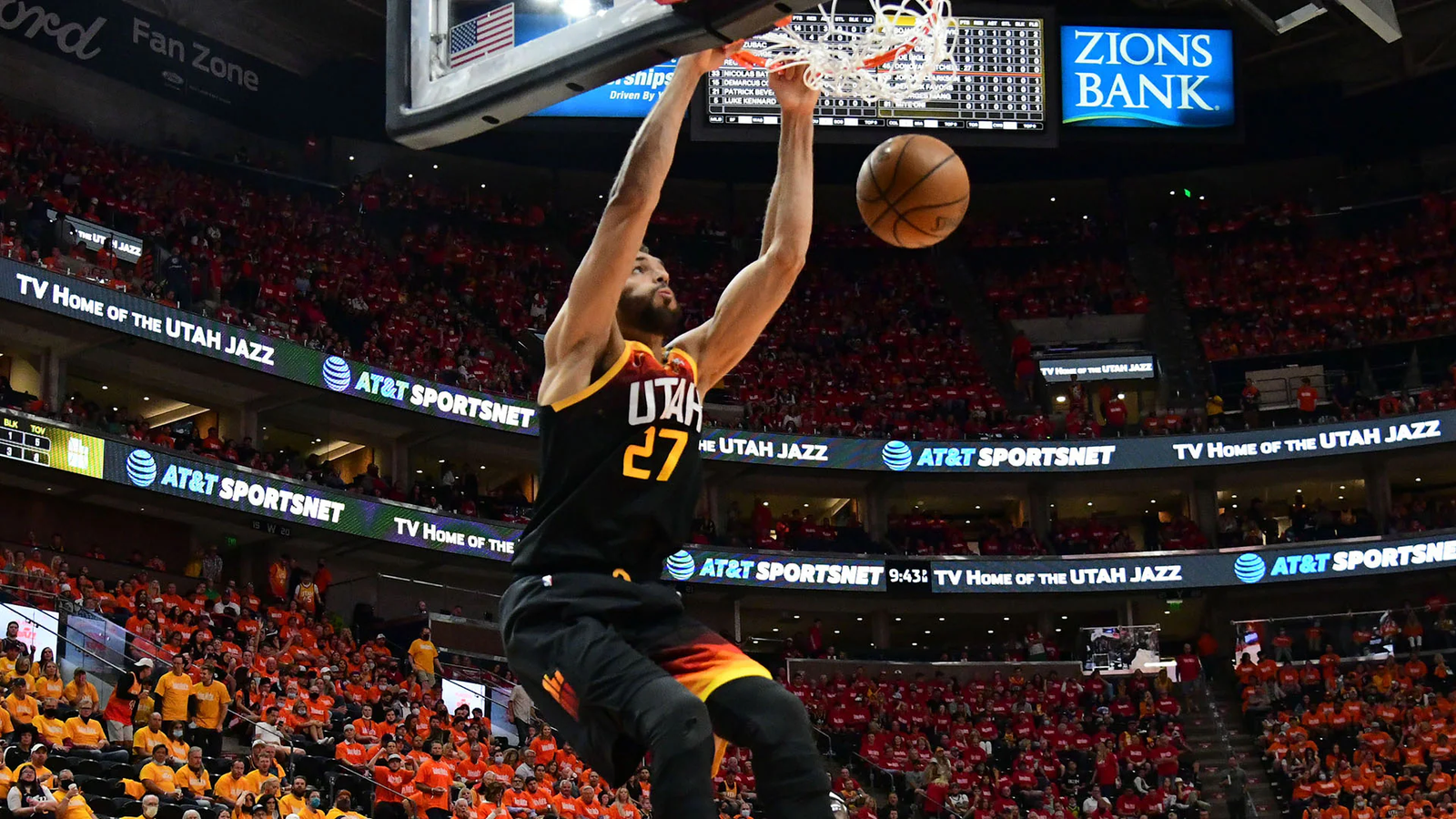
- Centers: Extreme top-end scarcity. Jokic in round 1 is obvious. After the top three to four centers, quality falls sharply. Patience pays here.
- Power Forwards: Deeper position with more reliable mid-round options than guard or center.
- Small Forwards: The deepest position — reliable contributors available through the middle and late rounds.
When to Draft Centers
Fantasy Basketball Draft Position, Centers present the most interesting positional timing question. Take Nikola Jokic in round 1 when available — obvious. For the second and third tiers, patient drafters who let center go for several rounds often find value without paying the positional premium that early center selections command.
The data supports patience at center beyond the top three names. The drop from 5th-best center to 10th-best center is less dramatic than the equivalent drop at point guard.
The Punt Strategy: Sacrificing One Category
In categories-based leagues, some managers deliberately ‘punt’ a statistical category — finishing last in free throw percentage, for example, to concentrate resources and dominate six other categories. Common punt targets include free throw percentage (roster players like Wembanyama who are poor FT shooters), turnovers, or blocks.
A successful punt strategy requires early identification of the target category and disciplined drafting around the decision. It is a high-variance approach — you trade flexibility for category dominance.
Draft Day Checklist
- Review current injury reports — draft week status affects immediate value significantly
- Know which players changed teams in the offseason and what that means for role and usage
- Organize your cheat sheet by tiers, not just overall ranking — positions go scarce in waves
- Know your league’s specific scoring system — not all platforms weight categories identically
- Track positions running thin in real time and adjust on the fly
Frequently Asked Questions: Draft Strategy
Is the first pick in fantasy basketball the best position?
Not necessarily. The first pick guarantees the top player (usually Jokic) but forces a long wait for your second selection. Middle picks (4-7) often produce better total draft value.
When should I draft a center?
Draft Jokic if available in your range. For the second and third tiers, patient drafters often find value in rounds 3-7 without sacrificing high picks on positional need.
What is the punt strategy?
Punting means deliberately allowing last place in one category to concentrate resources and build dominance in six or more others. High variance, but viable in the right league format.
Read More: NBA Steals Leaders: The Greatest Ball Hawks in NBA History




No comment