
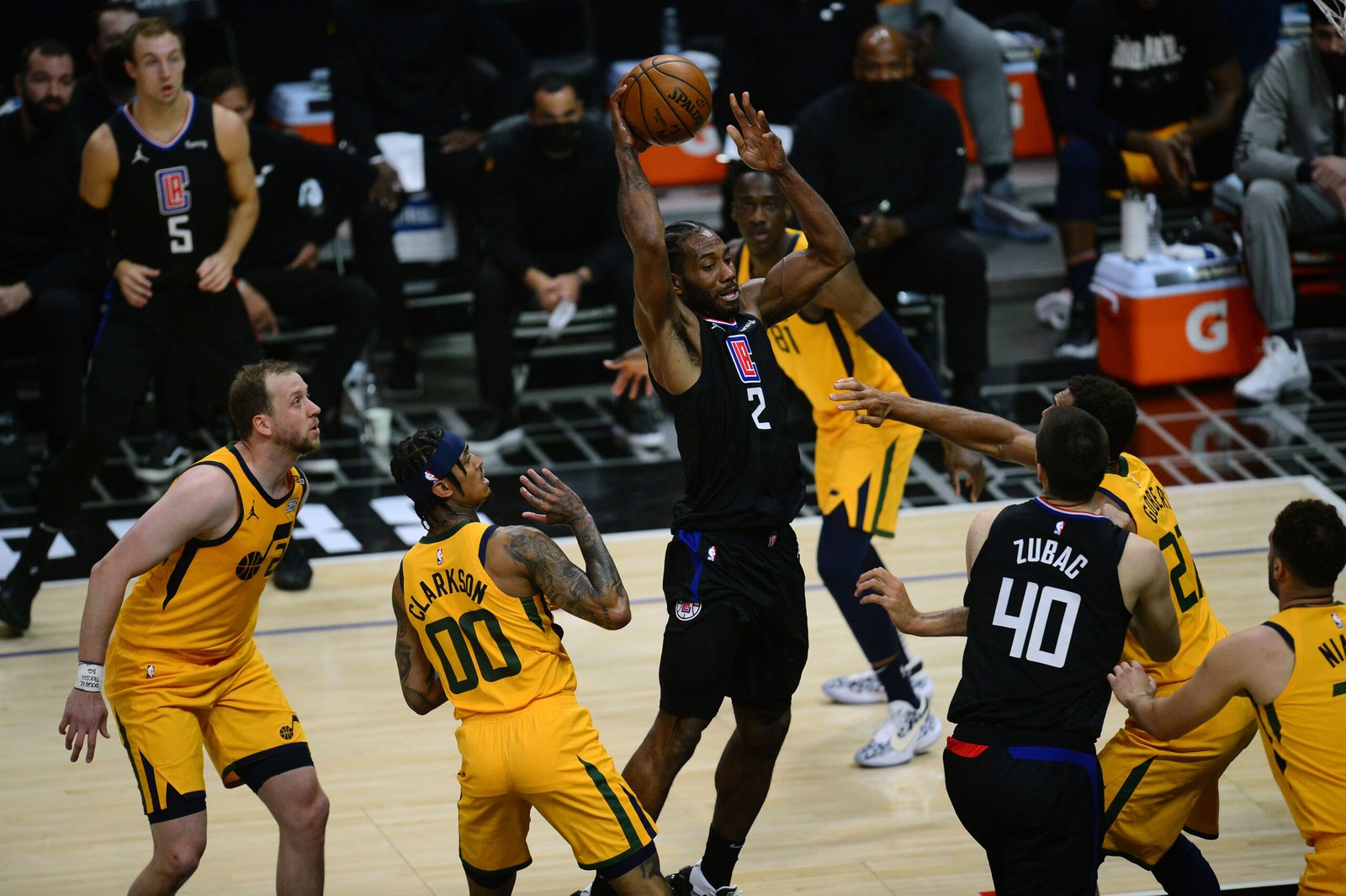
NBA Over/Under Betting — is one of the most accessible forms of NBA betting because it does not require picking a winner. You simply predict whether both teams combined will score more or fewer points than a set number. This guide explains exactly how it works, what moves the lines, and how to think about total betting with real-game examples.
What Is the NBA Over/Under?
Before every NBA game, sportsbooks set a projected combined score for both teams. Your bet is binary: Over if you think the final combined score exceeds the total; Under if you think it falls short.
Example: Warriors vs. Celtics, Total = 220.5. Final score Warriors 115, Celtics 112 (combined 227) — OVER wins. Final score Warriors 108, Celtics 107 (combined 215) — UNDER wins.
How Sportsbooks Set the Total
NBA Over/Under Betting, Sportsbooks employ analytics teams who weigh dozens of factors when setting a total:
- Both teams’ offensive and defensive ratings (points scored and allowed per 100 possessions)
- Pace of play — faster teams generate more possessions and scoring opportunities
- Injury reports — a missing star scorer typically drops the total by 4-8 points depending on importance
- Home vs. away — home teams score marginally more on average
- Back-to-back schedule — fatigued teams typically play at reduced offensive efficiency
- Historical head-to-head scoring data between these specific franchises
What -110 Odds Mean: Understanding the Juice
Most NBA over/under bets are offered at -110 — meaning you wager $110 to win $100. This ‘juice’ or ‘vig’ is how sportsbooks profit regardless of outcome, taking a small percentage from both sides of each bet.
The math: to break even on -110 bets long-term, you must win 52.4% of your wagers. To be consistently profitable, you must exceed that threshold. Understanding this baseline is essential before placing any bets.
Key Factors That Move Lines
- Star player ruled out: total drops 4-7 points reflecting reduced offensive output
- Heavy public betting on one side: sportsbook adjusts the total to rebalance exposure
- Pace matchup: two fast-paced teams facing each other favors the Over
- Rest advantage: well-rested team against a back-to-back opponent creates Under lean for the tired side
Real-World Example: Analyzing a Total
Game: OKC Thunder vs. Denver Nuggets. Total set at 224.5. OKC ranks 3rd in league pace (103 possessions/game). Denver ranks 18th in pace (99 possessions/game). Both teams have above-average offensive ratings. Murray is listed Questionable for Denver; SGA is Probable for OKC.
Analysis: Murray’s questionable status is the critical variable. If he plays, Denver’s pick-and-roll offense functions normally and the total is fair value. If he sits, Denver Nuggets‘s offense becomes more predictable and less efficient — pushing the lean toward the Under. Wait for the final injury report before committing to a position.
Read More: NBA Steals Leaders: The Greatest Ball Hawks in NBA History
NBA Betting Legality by Region
NBA Over/Under Betting, Online sports betting is legal in approximately 38 US states as of 2025. Internationally, legality varies significantly. In India, online sports betting exists in a legal gray area — no central law explicitly prohibits it but state-level regulations vary. Several offshore platforms accept Indian users, but the framework is evolving. Always verify current local regulations before placing real-money bets in any jurisdiction.
Frequently Asked Questions: NBA Over/Under
What does a total of 220.5 mean?
Both teams are projected to score 220-221 combined points. Bet Over if you expect 221+; bet Under if you expect 220 or fewer.
What happens if the score lands exactly on the total?
This is called a ‘push.’ Your full stake is returned with no win or loss.
How do injuries affect NBA totals?
A significant scorer ruled out typically drops the total by 4-7 points. Monitor i

No comment